Compliance, Efficiency & AutomationHGV & PSV operators · England & Scotland
0113 534 8006  ·  support@theftc.co.uk
Blog · Driver Walkarounds

More than a tick box: why your daily walkaround is a lifesaver

At the start of a long day the walkaround can feel like another task on a never-ending list. But it's one of the most critical parts of your professional day — because no one knows your vehicle like you do.
Watch

Watch: daily walkaround checks

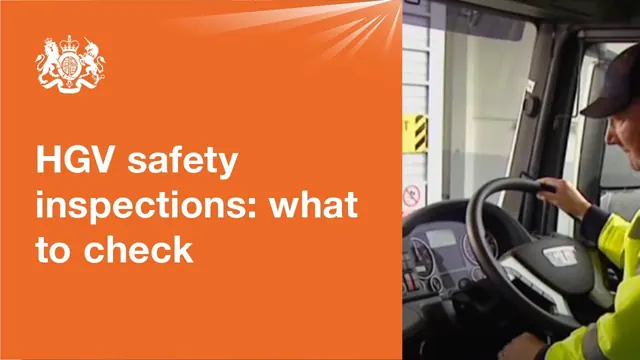
HGV Safety Inspections: What to Check
HGV Safety Inspections: What to Check

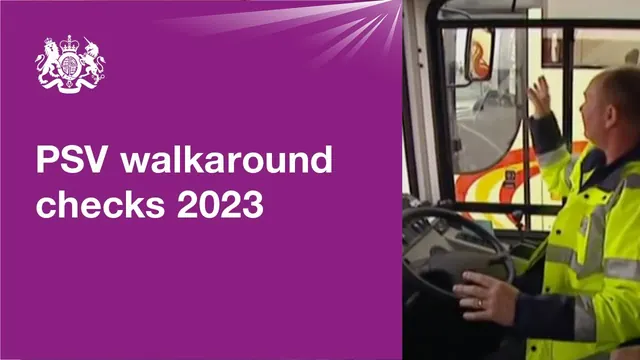
PSV Driver's Daily Walkaround Checks

PSV Driver's Daily Walkaround Checks

By Zed Aziz CMILT

Let's be honest: at the start of a long day, the walkaround check can feel like just another task on a never-ending list. The pressure is on, the clock is ticking, and you just want to get on the road. But that check is far more than a legal formality. It's one of the most critical parts of your professional day — and here's the most important thing to remember: no one knows your truck or bus like you do.

You're the expert: trust your gut

You're in that cab day in, day out. You know the specific sounds the engine makes, the feel of the brakes and how the steering should respond. You're the first to notice when something is even slightly off — a new rattle, a slight pull to one side, a slow air leak a mechanic might not spot in a workshop. This unique connection makes you the most important safety inspector your vehicle will ever have. The walkaround isn't just about looking; it's about listening, feeling and using your professional judgement.

Why it's more than just paperwork

A properly conducted walkaround isn't about creating hassle — it's about preventing it. Every thorough check means you are:

What a good walkaround achieves

  • Preventing accidents and protecting yourself, your colleagues and the public
  • Avoiding costly prohibitions from the DVSA or police at the roadside
  • Minimising vehicle downtime and keeping the wheels turning
  • Proving your professionalism and showing you take your responsibilities seriously

Remember, this check is working time, and you must be given the time to do it properly. Rushing it helps no one.

Your systematic checklist

Consistency is key. Start in the same place and follow the same routine every single time so nothing gets missed.

  • Lights & indicators: all working, clean and the right colour? Any cracked lenses?
  • Tyres & wheels: pressures, tread depth and damage checked? Are the wheel-nut indicators all pointing the right way?
  • Brakes & air: listen for air leaks, check couplings and lines, and confirm the foot and parking brakes feel right.
  • Steering: any excessive play or unusual looseness?
  • Wipers & washers: do they clear the screen effectively, and is the bottle topped up?
  • Mirrors & glass: clean, properly adjusted and free of dangerous cracks?
  • Bodywork & load security: any loose panels or damage, is the load secure, and is the tail-lift working?
  • Fluid levels: check oil, coolant and washer fluid.

For PSV drivers, this extends to ensuring emergency exits are clear, seats and seatbelts are secure, and all accessibility equipment works.

Spotted an issue? Shout about it

Finding a defect is only half the job. For decades that meant grabbing a greasy paper defect book and scribbling the issue. But is the report legible? Does it reach the Transport Manager straight away, or sit in the cab for a week? A clear, instant, auditable report protects both driver and operator — which is exactly why, as transport consultants, we developed our own app, DDIR. It ensures your vital report is clear, lands on the right desk instantly, and starts a watertight rectification process right away.

The right tools for the job

While the driver's eyes and ears are the most important tools, modern technology makes the process more robust. DDIR was designed by transport people, for transport people:

  • For drivers: an intuitive, step-by-step process makes checks faster and more thorough — you can even photograph defects.
  • For Transport Managers: instant email alerts for reported defects so you can act immediately.
  • For the business: a full fleet management system tracking PMIs and MOTs with automated reminders, plus fuel and AdBlue usage.

What happens when checks are skipped

The hard truth: drivers can face fines, points or even a suspended vocational licence. Operators and TMs risk prohibitions, a poor OCRS score, fines and even losing their Operator Licence. For everyone, the worst case is a major accident caused by a preventable defect. Cases such as M&S Scaffolding (Cumbria) Ltd show the Traffic Commissioners will not hesitate to act when daily checks and maintenance are neglected.

Drivers: treat every check with the seriousness it deserves and trust your instincts. Operators and Transport Managers: do your systems fully support your drivers, and are you auditing checks and providing ongoing training? If you're still wrestling with paper defect books, it's time for a change. Find out how DDIR can streamline your walkaround checks and fleet management — visit our DDIR app page or contact us.

FAQs

Frequently asked questions

Is the daily walkaround a legal requirement?+
Yes. The driver is responsible for the roadworthiness of the vehicle in use on the road, and the walkaround is the routine check that satisfies that duty. It counts as working time, and you must be given enough time to do it properly.
What should a driver walkaround check cover?+
Work through a consistent routine: lights and indicators, tyres and wheels, brakes and air, steering, wipers and washers, mirrors and glass, bodywork and load security, and fluid levels. PSV drivers also check emergency exits, seats, seatbelts and accessibility equipment.
What happens if walkaround checks are skipped?+
Drivers risk fines, points or a suspended vocational licence; operators and TMs risk prohibitions, a poor OCRS score, fines and even loss of their Operator Licence. The worst case is a serious accident caused by a preventable defect.
How does a digital walkaround app help?+
An app like DDIR makes checks faster and more thorough, lets drivers photograph defects, sends Transport Managers instant alerts, and keeps an auditable record — replacing illegible paper defect books and speeding up rectification.
Get in touch

Talk to a transport compliance specialist.

Book a free, no-obligation consultation and we'll talk through exactly what your fleet needs — no pressure, no jargon.

0113 534 8006Mon–Fri 9–6 · Sat 9–4
support@theftc.co.ukWe reply within 24 hours
Keep reading

Related pages